Beyond the Brim: How Independent Milliners Like Rachel Are Turning Hats Into Heirlooms
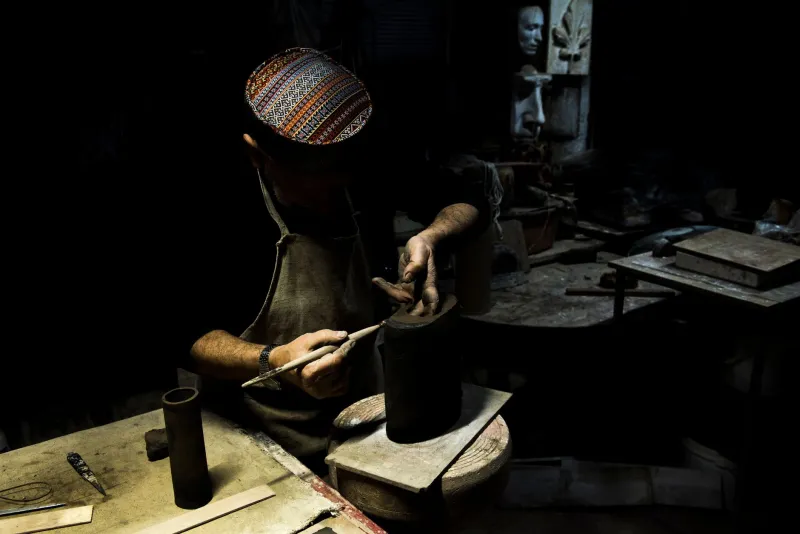
There's a moment that happens when someone puts on a truly well-made hat for the first time. It's not just about the way it looks — it's about the way it fits, the way it holds its shape, the way it seems to know exactly where it belongs on your head. That moment isn't an accident. It's the result of hours of work, generations of technique, and a design philosophy that treats every piece as something worth keeping forever.
That's the world Rachel The Hat lives in. And right now, that world is expanding in ways nobody quite predicted.
Millinery as a Serious Design Discipline
For most of the late 20th century, hat-making occupied a strange cultural middle ground. It was respected in theory — everyone acknowledged the craft — but in practice, hats had been pushed to the margins of American fashion. They showed up at the Kentucky Derby, at church on Easter Sunday, at royal weddings streamed from across the Atlantic. But as everyday wear? As a genuine expression of personal style? That conversation had largely gone quiet.
What's happening now is something different. Across the US, a growing community of independent milliners is repositioning the craft not as a nostalgic throwback, but as a forward-looking design discipline with its own rigorous vocabulary. These makers are studying historical blocking methods and traditional wire-frame construction not because they want to recreate the past, but because those foundations give them the structural knowledge to push into genuinely new territory.
Rachel's work sits at that intersection. Every piece starts with an understanding of how a hat is supposed to behave — how the brim should fall, how the crown should hold, how the materials respond to steam and pressure and time. That technical grounding is what makes the creative risk-taking possible. You can't break the rules meaningfully until you actually know them.
The Investment Piece Conversation
One of the most interesting shifts happening in the millinery space right now is the way buyers are starting to think about handmade hats. For a long time, the assumption was that accessories — especially hats — were impulse purchases. Something you grabbed because it matched an outfit, wore a few times, and eventually forgot about.
That thinking is changing fast. A well-constructed handmade hat, built from quality materials with proper internal structure, doesn't just survive years of wear — it can genuinely improve with age. The felt softens in the right ways. The shape settles into something that feels custom-fitted. And because it was made by hand rather than stamped out by a machine, it carries a kind of visual individuality that mass-produced accessories simply can't replicate.
Collectors are noticing. Stylists are noticing. And a new generation of fashion-forward shoppers who have grown deeply skeptical of fast fashion — who have watched cheap accessories fall apart after one season and decided there has to be a better way — are noticing too.
The conversation around Rachel The Hat has always been about pieces worth owning for the long haul. Not disposable. Not trend-chasing. Designed with enough intention that they outlast the moment they were made in.
Where Historical Craft Meets Avant-Garde Vision
What makes contemporary millinery so compelling as a design space is the sheer range of what's possible when you combine traditional technique with a modern aesthetic sensibility. The tools haven't changed much — hat blocks, millinery wire, buckram, grosgrain ribbon, steam irons that have probably seen a thousand hats before this one. But the design language being applied to those tools has evolved dramatically.
Rachel's approach involves a genuine dialogue between the historical and the contemporary. A silhouette might draw from 1940s Hollywood glamour while incorporating materials and color combinations that feel completely of-the-moment. A structured cocktail hat might reference Edwardian proportions while wearing them in a way that reads as quietly subversive rather than costume-y. The goal is always something that feels rooted and original at the same time.
That balance is harder to achieve than it sounds. It requires an intimate knowledge of fashion history — not just hat history, but the broader visual culture that hats have always been in conversation with. Hats don't exist in isolation. They sit at the intersection of silhouette, color, occasion, and identity. Getting that right means thinking about all of those things simultaneously.
The New Collector
Ask Rachel about her customers and you'll notice something interesting: they don't fit a single profile. There are women in their sixties who grew up watching their mothers wear hats to church and are reconnecting with something that always felt meaningful. There are women in their twenties who found their way to handmade fashion through sustainable style communities online and started asking why nobody talked about hats the same way they talked about handmade shoes or small-batch jewelry.
There are stylists building editorial wardrobes. There are brides who want something they'll actually keep. There are women who simply decided that they were done blending into the background and wanted a piece that announced their presence before they said a word.
What they share is a willingness to think about fashion as something worth investing in — emotionally and financially. They're not looking for the cheapest version of a hat. They're looking for the right hat. The one that was made with them in mind, even if they weren't specifically the person sitting across from the workbench when it was being shaped.
Why This Moment Matters
The millinery renaissance isn't happening in a vacuum. It's part of a broader cultural reassessment of what we value in fashion — a growing exhaustion with disposability, a renewed appreciation for the human skill embedded in handmade objects, a desire for pieces that carry genuine meaning rather than just a recognizable logo.
Independent milliners are benefiting from that shift, but they're also helping to drive it. Every time someone puts on a Rachel The Hat piece and feels that particular click of recognition — this was made for someone like me — it expands the conversation about what accessories can be and do.
Hats have always been about more than keeping the sun out of your eyes or your head warm in winter. At their best, they're about declaring something. About showing up with a specific kind of intention. About wearing your personality on the outside where everyone can see it.
That's what Rachel The Hat has always been building toward. And in 2024, the rest of the fashion world is finally catching up.