Crowns That Outlast Us: Turning Your Handmade Hat Collection Into a Living Legacy
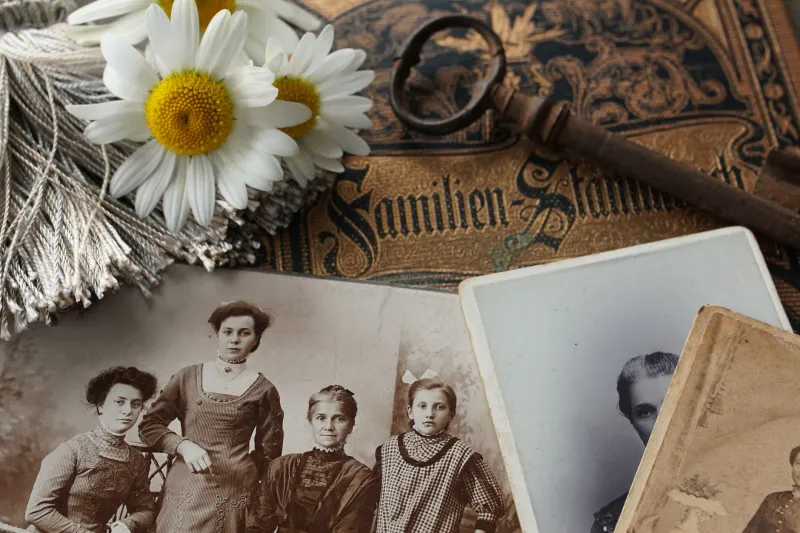
There's a hatbox sitting in a lot of American attics right now. Maybe it belonged to a grandmother. Maybe it smells like a perfume that no one makes anymore. Maybe the hat inside is slightly crushed, wrapped in tissue paper that's gone yellow at the edges, and there's no note — no explanation — just the hat itself, beautiful and silent.
That silence is the problem. And it's one we can actually fix.
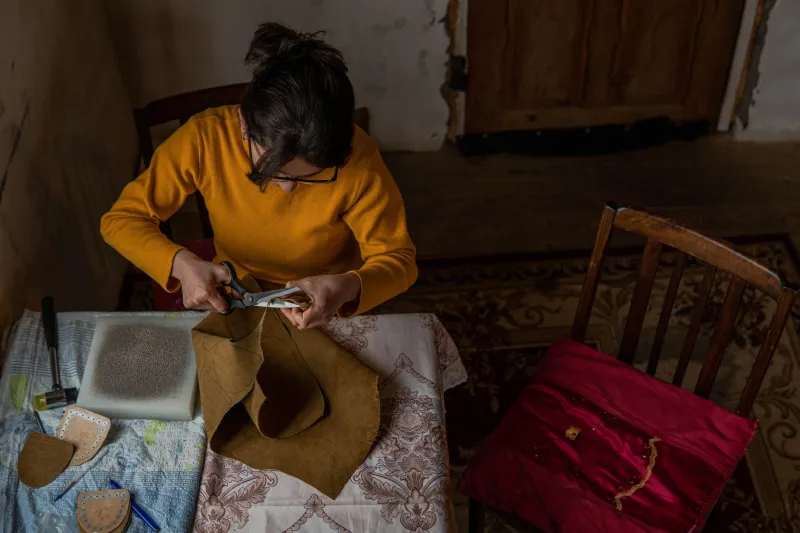
Handcrafted millinery has always carried more weight than machine-made accessories. When someone sits down and blocks a hat by hand, steams the brim into shape, and chooses every ribbon and pin with intention, they're not just making a fashion piece — they're encoding something personal into an object. That object deserves more than a dusty shelf and a question mark.
Let's talk about how to pass it down right.
Why Hats Make Surprisingly Powerful Heirlooms
Jewelry gets all the inheritance glory. Rings, brooches, pearl strands — these are the things people fight over at estate sales and write into wills. But hats? Hats are underrated as legacy pieces, which is honestly a shame.
Think about what a hat actually does. It sits at the top of the body, the most visible point. It frames the face. It announces presence before a word is spoken. When you put on a hat that belonged to someone who loved you, you're not just wearing fabric — you're borrowing their confidence, their aesthetic, their whole way of moving through a room.
Handmade hats especially carry this energy. Every stitch is a choice. Every seam reflects a skill that took years to develop. At Rachel The Hat, we think about this constantly — the idea that the pieces we make today might be worn by someone's daughter or granddaughter decades from now. That thought changes how you approach the work.
Document the Story Before It Disappears
The single most important thing you can do for your collection — whether it's three hats or thirty — is write down the stories while you still can.
This doesn't have to be formal. It doesn't require archival software or a dedicated scrapbook (though those are both great ideas). It can start as a simple index card tucked inside each hatbox:
- Where was this hat made or purchased?
- When did you first wear it, and for what occasion?
- Who made it, if you know?
- Is there a memory attached — a person, a place, a feeling?
For makers like us, documentation can go even deeper. Note the materials used, the techniques involved, the inspiration behind the design. Was this hat made for a specific client? Did the brim shape come from a sketch you'd been sitting on for years? Those details matter to the person who inherits it. They transform a beautiful object into a conversation across time.
If you're more of a visual person, photograph each piece from multiple angles — and photograph it being worn. A hat on a stand tells you what it looks like. A hat on a person tells you what it means.
Archival Storage: The Unglamorous Side of Legacy
Okay, let's get practical for a second, because none of the sentimental stuff matters if the hat disintegrates in storage.
Handmade hats — especially those made with natural fibers like wool felt, straw, or silk — are sensitive to their environment. Heat, humidity, light, and pests are the four horsemen of hat destruction. Here's how to fight them:
Use acid-free tissue paper. Regular tissue paper is slightly acidic and will, over time, degrade the fibers it touches. Acid-free tissue (available at most craft and archival supply stores) is the right call for anything you want to last.
Choose a proper hatbox. Round, rigid, and ideally acid-free. The hat should fit without being compressed. If the brim is touching the sides, the box is too small.
Control the environment. A cool, dry, dark space is ideal. Avoid attics (temperature extremes) and basements (moisture). A bedroom closet shelf is honestly one of the better options in most American homes.
Stuff the crown. Use acid-free tissue to gently fill the interior of the crown so it holds its shape over time. Don't pack it tight — just enough support to prevent collapse.
Keep it away from direct sunlight. UV light fades dyes and weakens fibers faster than almost anything else. Even indirect light through a window adds up over years.
For truly special pieces, consider consulting a textile conservator. It sounds fancy, but for a hat that's genuinely irreplaceable — made by hand, tied to a significant memory — it's worth the investment.
The Ritual of Passing It Down
Legacy isn't just about preservation. It's about transmission — the moment when an object moves from one person's hands to another's, carrying meaning with it.
In a lot of American families, this happens accidentally. Someone dies, someone cleans out a house, and objects get distributed without ceremony or context. The hat ends up in a donation bin or a junk drawer, and the story goes with it.
You can do better than that.
Consider making the handoff intentional. If there's a hat in your collection that you want a specific person to have, tell them now. Tell them why. Better yet, let them wear it with you first. Bring them into the story while you're still around to narrate it.
For makers, think about dedicating certain pieces. A hat made with the explicit intention of being passed down carries a different kind of energy than one that happens to survive. At Rachel The Hat, we've started thinking about what it would mean to create pieces specifically designed as heirlooms — built for longevity, documented from the start, and meant to be worn by more than one generation.
Wearing What Was Left Behind
Here's the thing about inheriting a handmade hat: at some point, you have to actually wear it.
That can feel intimidating. What if something happens to it? What if it doesn't suit you the way it suited them? What if wearing it makes you cry in the middle of a Tuesday?
Wear it anyway.
A hat that sits in a box forever, no matter how perfectly preserved, is a hat that has stopped doing its job. Handmade millinery is meant to be worn — to frame faces, to make people feel something, to announce presence. The best way to honor a piece that someone made or loved is to put it on your head and walk out the door.
You might feel them with you when you do. That's not a small thing.
Build the Collection With Legacy in Mind
If you're actively collecting handmade hats — or if you're a maker building your own body of work — start thinking about legacy now, not later.
Buy from independent milliners. Ask about the materials and techniques. Keep the receipts, the tags, the care instructions. Build a relationship with the maker if you can, because their story becomes part of your hat's story.
And if you make hats yourself, sign your work. Leave a maker's mark. Include a small card with the date and your name. Future generations will thank you for the breadcrumb trail.
The hats we make and collect today are tomorrow's hatbox mysteries — except they don't have to be mysteries at all. With a little intention, a little documentation, and the right storage conditions, they can be exactly what they deserve to be: crowns that outlast us, worn with love by people we may never meet.