Stitched With Intention: How Independent Milliners Are Quietly Revolutionizing American Style
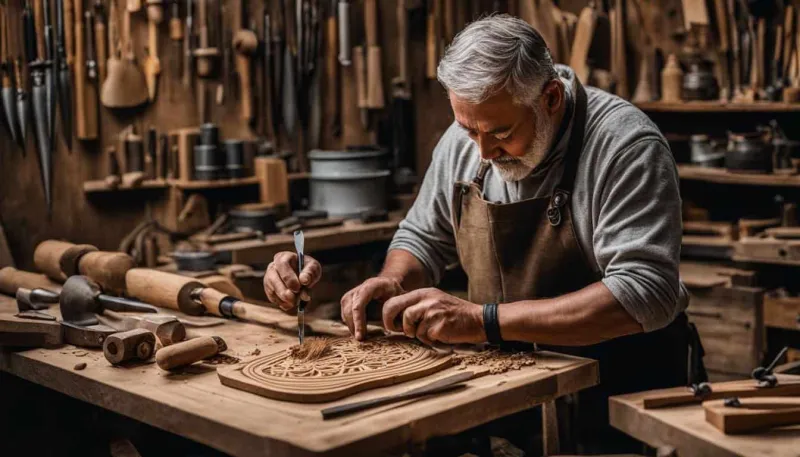
Photo: artisan milliner handcrafting hat in workshop studio, via esoftskills.com
Not long ago, wearing a truly spectacular hat in America meant one of two things: you were heading to the Kentucky Derby, or you had access to a very particular kind of old-money social circle. For most people, the handcrafted hat was a fantasy — something glimpsed in a fashion editorial or perched on a celebrity's head at a royal event. It felt untouchable. Expensive. Exclusive.
That's changing. Fast.
Across the country, a new generation of independent milliners is dismantling those old assumptions, one blocked crown at a time. And at the center of that shift is a growing community of makers — including the team behind Rachel The Hat — who believe that a beautifully crafted hat should be accessible to anyone bold enough to wear one.
The Return of the Artisan Hat
The numbers tell part of the story. Searches for "handmade hats" and "artisan millinery" have surged in recent years, driven in part by a broader consumer backlash against fast fashion. Americans are increasingly skeptical of cheap, disposable clothing — the kind that falls apart after three washes and ends up in a landfill six months later. That skepticism has created a real opening for makers who do things differently.
"People are exhausted by stuff that doesn't mean anything," says Rachel, founder of Rachel The Hat. "They want to buy something that someone actually made with their hands. Something that has a story. A hat isn't just an accessory — it's a conversation starter. It's a piece of art you get to wear on your head."
That philosophy is driving a genuine renaissance in American millinery. From Brooklyn workshops to studio spaces in Nashville and Portland, small-batch hat makers are finding audiences they never had before — and those audiences are willing to pay for quality.
Why Quality Is Winning Over Quantity
There's a cultural shift happening in how Americans think about their wardrobes. The "buy more, spend less" mentality that dominated retail for decades is losing ground to something more considered: investing in fewer, better things. It's the same instinct that's fueled the rise of farm-to-table dining, small-batch spirits, and independent bookstores. People are connecting the dots between where things come from and what they're worth.
Handcrafted hats fit perfectly into that mindset. A hat blocked by hand, shaped with steam, and finished with carefully chosen trimmings isn't just a product — it's evidence of skill. Every stitch and seam reflects hours of practice and intention. That's something a mass-produced hat, stamped out in a factory overseas, simply cannot replicate.
"When someone buys a hat from me, they're not just buying an object," Rachel explains. "They're buying the years it took me to learn how to make it. They're buying the relationship we built while we figured out exactly what they needed. That's a completely different transaction than clicking 'add to cart' on some fast fashion site."
Other independent milliners echo that sentiment. Makers across the US describe customers who return season after season, building out small but meaningful collections rather than chasing trends. These aren't impulse purchases — they're considered investments in personal style.
Social Media Changed Everything
If quality is the engine driving the artisan hat revival, social media is the road it's traveling on. Platforms like Instagram and TikTok have done something remarkable: they've given independent makers a direct line to customers who would never have found them otherwise.
Before social media, a talented milliner in, say, Asheville, North Carolina, was largely limited to local clientele and craft fairs. Today, that same maker can post a video of a hat being blocked and wake up to inquiries from customers in Chicago, Los Angeles, and Seattle. The gatekeepers — the department store buyers, the fashion editors, the wholesale distributors — no longer control who gets seen.
"Social media leveled the playing field in a way that wasn't possible before," says Rachel. "I can show the process, show the finished piece, show the person wearing it — and suddenly someone in Ohio who never thought about owning a handcrafted hat is completely obsessed. That's the magic of it."
The visual nature of platforms like Instagram is particularly well-suited to millinery. Hats are inherently photogenic — they frame the face, command attention, and photograph beautifully. Communities of hat enthusiasts have formed online, sharing styling ideas, celebrating makers, and building a culture around the art of wearing a great hat. What was once a rarefied interest now has a democratic, inclusive energy.
Challenging Fast Fashion's Grip
It would be naive to suggest that fast fashion is losing sleep over the millinery revival. The mass-market machine is enormous, and artisan makers are still a small slice of the overall fashion economy. But the cultural conversation is shifting in ways that matter.
Consumers — particularly younger ones — are increasingly aware of the environmental and human costs of cheap clothing. They're asking questions that weren't being asked a decade ago: Who made this? What's it made of? How long will it last? Independent milliners have honest, compelling answers to all of those questions.
Handcrafted hats are made to last years, even decades. They're often constructed from natural materials — wool felt, straw, silk — that age gracefully. And because they're made to order or in very small batches, there's virtually no waste in the production process. In an era of growing environmental consciousness, that matters to a lot of buyers.
What This Means for American Fashion
The millinery renaissance isn't just about hats. It's a signal about where American fashion is heading — toward slower production, deeper craftsmanship, and more meaningful relationships between makers and the people who wear their work.
For Rachel The Hat, that future looks exciting. The demand for handcrafted, one-of-a-kind pieces continues to grow. New customers discover the brand through social media every week. And the community of independent milliners across the country is growing stronger, sharing techniques, supporting each other, and collectively raising the profile of the craft.
"I think people are ready to fall back in love with the idea of something made by hand," Rachel says. "And honestly? There's no better place to start than the top of your head."
The hats are here. The makers are ready. All you have to do is put one on.