Small Shops, Big Statements: Why Independent Milliners Are Winning the Hat Game
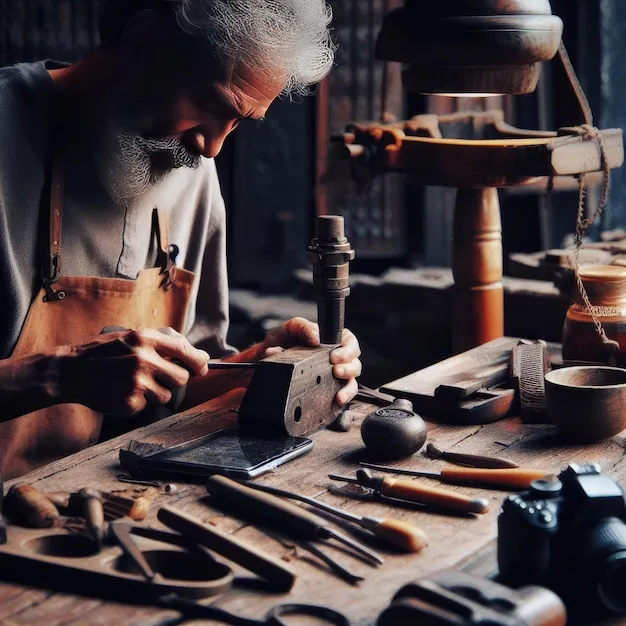
Photo: artisan milliner handcrafting hat in workshop with tools and felt, via img.freepik.com
There's a particular kind of satisfaction that comes from wearing something nobody else is wearing. Not because it's expensive or flashy, but because it was made — really, genuinely made — by a person who cared about every single stitch. That feeling is exactly what's driving a quiet but powerful shift in American fashion: the rise of the independent milliner.
While fast fashion brands churn out bucket hats and baseball caps by the million, a growing community of artisanal hat makers is pulling consumers in a completely different direction. People are slowing down, asking questions, and choosing craft over convenience. And the hat world is one of the most fascinating places to watch this play out.
The Numbers Behind the Movement
The global millinery market might not make front-page business news, but the signals are hard to ignore. Independent Etsy sellers specializing in handmade hats have seen consistent year-over-year growth. Searches for terms like "handcrafted hat," "artisan milliner," and "slow fashion accessories" have climbed steadily since 2020. And at trade shows like the National Needlearts Association events and regional craft fairs across the South and Midwest, millinery booths are drawing longer lines than ever before.
What's behind it? A few things converging at once. The pandemic gave people time to research where their stuff actually comes from. Social media gave independent makers a direct line to customers without needing a department store middleman. And a broader cultural conversation about sustainability made the environmental cost of disposable fashion accessories impossible to ignore.
Fast fashion hats — the ones you grab at a big-box store for $12 before a beach trip and toss by fall — have a dirtier footprint than most people realize. Synthetic materials, overseas manufacturing, and a design philosophy built around disposability all add up. A hat that lasts one season and ends up in a landfill isn't a bargain; it's a hidden cost passed on to the planet.
What "Handcrafted" Actually Means
Here's where independent milliners genuinely have mass-market brands beat, and it's not just a marketing talking point.
Traditional millinery involves techniques that simply can't be replicated at scale without losing something essential. Blocking — the process of shaping a hat over a wooden form using steam and pressure — requires skill developed over years. Hand-stitching a brim means the maker is making constant micro-adjustments that a machine running the same stitch pattern thousands of times can't do. Sourcing quality materials — Italian straw, domestic wool felt, vintage trims — takes relationships and expertise that a fast fashion buyer negotiating on price alone isn't going to build.
When you buy a hat from an independent maker, you're buying the accumulated knowledge of someone who actually loves what they're doing. That sounds sentimental, but it shows up in the product in very concrete ways: a hat that holds its shape after a rainstorm, a fit that's actually comfortable for more than an hour, a design that feels personal rather than generic.
The Makers Reshaping How America Thinks About Hats
Across the country, independent milliners are building real businesses on exactly these principles — and finding audiences who are ready for something different.
In the South, makers are drawing on regional traditions of church hats and statement headwear, creating pieces that celebrate a cultural legacy while pushing it forward with contemporary materials and silhouettes. In the Pacific Northwest, you'll find milliners leaning into natural dyes and sustainably sourced fibers, building hats that feel connected to the landscape they're made in. And in major cities from New York to Chicago to Austin, a new generation of hat makers — many of them self-taught, many of them women and people of color — are carving out space in an industry that's historically been pretty narrow in who it centered.
What they all share is a refusal to compete on price. That's a deliberate choice, not a limitation. An independent milliner charging $150 to $400 for a handcrafted hat isn't being precious about it — they're reflecting the actual labor involved. And increasingly, customers get that. The conversation around fair pricing for handmade goods has matured significantly, and buyers who once balked at a triple-digit price tag for a hat are starting to do the math differently.
Investment Pieces, Not Impulse Buys
One of the most meaningful shifts in how consumers are approaching independent millinery is the move toward thinking about hats as investments rather than accessories.
A well-made hat — properly cared for — can last decades. It can be reshaped, re-blocked, re-trimmed. It can travel with you through different phases of your style without ever feeling out of place, because it's built around your proportions and your aesthetic, not a trend committee's forecast for next season. That's a fundamentally different relationship with an object than the one fast fashion encourages.
This is exactly the philosophy at the heart of what we do at Rachel The Hat. Every piece that leaves this studio is made to be worn for years, not seasons. It's made to be yours in a way that something mass-produced genuinely can't be. And when customers come back — sometimes years later — to talk about a hat they bought and how it's held up, how it's traveled with them, how it still turns heads — that's the whole point.
Why This Moment Matters
The millinery renaissance isn't just good news for hat makers. It's a meaningful indicator of something shifting in how Americans relate to fashion more broadly. We're getting more thoughtful. More curious about origin stories. More willing to invest in quality over quantity.
Independent milliners are at the forefront of that shift — not because they set out to disrupt anything, but because they kept doing what they loved with integrity, and the culture finally caught up.
The big names in fashion are paying attention. You can tell by the way luxury houses have started leaning harder into "artisan" language and "handcrafted" marketing. But there's a difference between borrowing the vocabulary of craft and actually practicing it. Consumers are getting better at telling the gap apart.
And that's exactly where independent makers — the ones doing it for real — have an advantage that no amount of marketing budget can buy.