Your Hats Deserve Better Than a Shelf: The Complete Guide to Storing and Caring for Your Handmade Collection
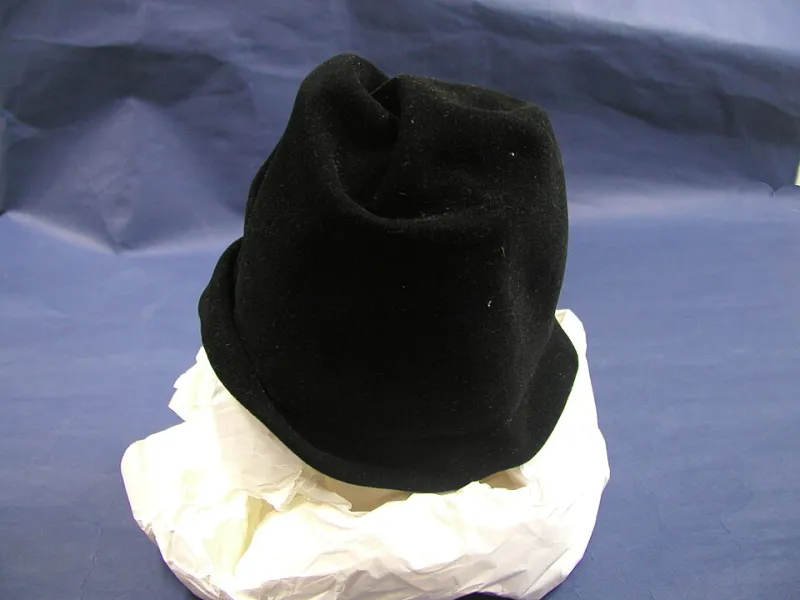
Photo: Lindsay Kennett, CC BY 4.0, via Wikimedia Commons
Let's be honest — most of us treat our hats like afterthoughts. We set them crown-down on a dresser, stack them in a closet corner, or worse, leave them on the back seat of the car where summer heat can do some serious damage. But if you've invested in handcrafted millinery, that kind of casual handling is quietly undoing everything that makes those pieces special.
Handmade hats aren't mass-produced accessories you can just replace with a click. They're shaped by hand, blocked with care, and often built from materials — fine straw, buckram, silk, wool felt — that need a little attention to stay in top form. Think of proper hat care the same way you think about caring for good leather shoes or a quality cashmere sweater. A little effort now means you're still wearing it ten years from now.
Here's how to build a hat wardrobe that actually lasts.
Start With the Right Storage Setup
Storage is where most hat collections go wrong. The biggest culprits? Stacking, squishing, and storing in places with fluctuating humidity or temperature (yes, that means your garage is off-limits).
For serious collectors, hat boxes are the gold standard. They protect the brim, shield the crown from dust, and keep pieces separated so nothing gets crushed. You don't need a matching set from a fancy boutique — even sturdy round boxes from a craft store work well. Line them with acid-free tissue paper if you're storing pieces long-term.
If you prefer to display your hats (and honestly, a beautiful hat should be seen), hat stands and wall-mounted hooks are your friends. Wooden hat stands hold the crown shape without distorting the brim. For hooks, make sure they're wide enough to support the brim rather than just spearing the crown — a narrow hook can leave a permanent dent over time.
A few non-negotiables:
- Keep hats out of direct sunlight. UV exposure fades color and weakens fibers faster than almost anything else.
- Avoid damp spaces. Moisture invites mildew, especially in straw and felt pieces.
- Never store hats brim-side down unless the design specifically calls for it. This flattens and distorts the brim over time.
Cleaning Without Catastrophe
Cleaning a handmade hat is not the same as tossing a baseball cap in the washing machine. Different materials require different approaches, and when in doubt, less is always more.
Felt hats (wool or fur felt) are the most forgiving to clean. A soft-bristled brush — a hat brush or even a clean clothes brush — works wonders for removing dust and lint. Brush in the direction of the nap, working gently in circular motions. For light stains, a barely damp cloth can lift surface marks. Avoid soaking felt; it can warp the shape and shrink the fibers.
Straw hats need even more delicate handling. Dust them with a dry, soft cloth or a very soft brush. If there's a stubborn spot, a slightly damp cloth — emphasis on slightly — can help. Let straw dry completely and naturally before storing it; trapped moisture is how straw gets that musty smell that's nearly impossible to get rid of.
Fabric-covered or embellished hats — think silk, velvet, or hats with hand-sewn trim — are the trickiest. Spot cleaning with a barely damp cloth is usually the safest approach. Velvet especially can water-spot, so if you're dealing with a velvet piece, consider taking it to a professional cleaner who has experience with millinery.
For sweat stains on the interior band (it happens to all of us), a cotton swab lightly dampened with rubbing alcohol can break down the residue without soaking through to the outer material.
When in doubt, ask the maker. If you bought directly from a milliner — like right here at Rachel The Hat — reach out. We know exactly what went into building each piece, and we can tell you exactly how to care for it.
Seasonal Rotation: Building a Year-Round Hat Wardrobe
One of the most overlooked aspects of hat ownership is rotation. Wearing the same hat daily, week after week, without giving it a break accelerates wear — the sweatband breaks down faster, the brim loses its stiffness, and the overall structure softens in ways that are hard to reverse.
Think of your hat collection the way a good wardrobe consultant thinks about clothing: seasonally, intentionally, and with purpose.
In spring and summer, lean into lighter materials — natural straw, lightweight sisal, cotton canvas. These pieces breathe better in warm weather and complement the brighter palettes of the season. As you shift into fall and winter, wool felt, fur felt, and structured fabric hats come forward. They hold their shape in wind and add that layer of warmth that a straw hat simply can't provide.
When you rotate a hat out of active wear for the season:
- Clean it before storing — never store a dirty hat. Oils, dust, and residue break down fibers over time.
- Stuff the crown loosely with acid-free tissue to help it hold its shape.
- Store it in a hat box or on a stand in a cool, dry, dark space.
- Check on stored hats every few months. Pull them out, let them breathe for a day, and check for any signs of moisture or pest damage.
Protecting the Details That Make Handmade Hats Special
Handcrafted millinery often features details that require extra thought — hand-tied ribbon, vintage brooches, hand-sewn flowers, wire-shaped brims. These elements are what make a piece from Rachel The Hat different from something you'd find in a department store, and they deserve specific care.
Ribbon and fabric trim can be re-steamed gently if they get crushed, using a handheld steamer held several inches away from the surface. Never press trim directly with an iron.
Wire-shaped brims can be re-shaped if they bend, but do it slowly and carefully. Heat from a steamer can soften the buckram or interfacing underneath, making gentle reshaping easier.
Embellishments like brooches or pins should be removed before cleaning or storing when possible to prevent rust stains or snags.
The Mindset Shift: Hats as Heirlooms
Here's the thing about building a real hat collection — it requires a small but meaningful shift in how you think about accessories. These aren't fast fashion throwaways. A well-made, well-cared-for handmade hat can last decades. Some of the most treasured pieces in vintage collections today were worn in the 1940s and 50s, and they're still gorgeous.
When you buy handcrafted millinery, you're not just buying a hat. You're buying someone's time, skill, and creative vision. Caring for that piece properly is a way of honoring that. And honestly? It's also just practical. The better you care for your collection, the more you get to wear it — and the more heads you get to turn.
So give your hats a proper home. Learn what they're made of. Clean them gently and store them thoughtfully. Rotate them with the seasons. Treat them the way they were made — with intention.
Your collection will thank you.